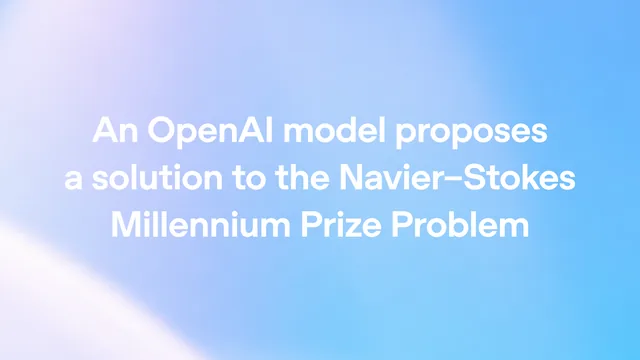
On the Navier–Stokes Millennium Prize Problem
OpenAI says its internal model solved Navier–Stokes, showing finite-time singularities, and released the proof and Lean formalization.
The separate collector was overdue when this page was built.
181 feed entries found this sweep; 193 candidate events; 57 shortlisted stories; 44 with article text available; 25 selected. Counts describe different stages; clustering, validation and refills can change the shortlist.
2,964 article records retained; 4,815 feed entries observed by collection this sweep; 38 retained candidates recovered for this ranking. Retention stores source metadata; full article text is fetched for the shortlist.
Collection snapshot: 2026-09-08T05:00:03.238808+00:00. This snapshot updates with the published briefing.
Active filters: none. Sort: Ranked.
All 25 stories, in ranked orderOpenAI says its internal model solved Navier–Stokes, showing finite-time singularities, and released the proof and Lean formalization.
OpenAI claims GPT‑6 Astra is the most intelligent, aligned model, expanding affordable AI capabilities for business and consumer products.
Mistral reports €3 billion Series D funding, led by Samsung, to scale compute and accelerate sovereign open‑weight AI development.
Meta introduced Muse, a personal AI agent that accesses email, calendars, payments and health apps, testing consumer trust after its settlement.
OpenAI says ChatGPT Images 2.5 improves detail, lighting, texture, and editing reliability while cutting latency up to 50% versus Images 2.0.
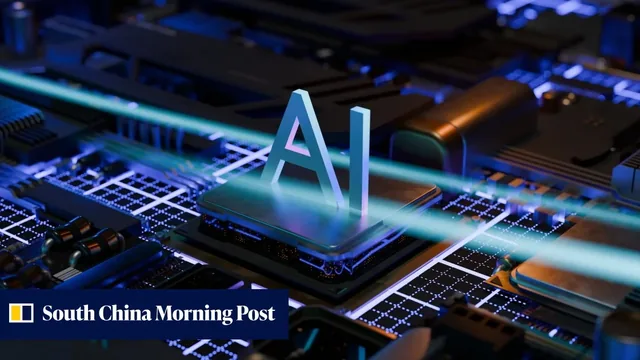
China reports plan to deploy 100,000 accelerator cards, aiming for a fourfold AI compute capacity increase by 2030.
Meta was reported to have delayed removal of ads containing AI‑generated child sexual abuse material, including real‑child photos.
Meta AI details Muse’s features, positioning it as its personal AI assistant for everyday tasks.
Anthropic faces a class‑action lawsuit alleging its Max subscription misled users about the benefits they would receive.
Anthropic is noted as a focal AI organization.
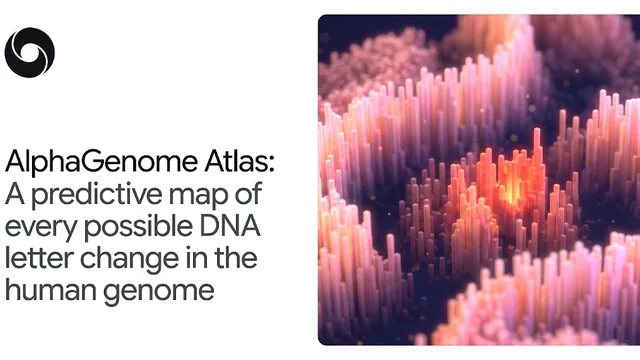
DeepMind released AlphaGenome Atlas, mapping effects of 9 billion single‑letter DNA variants across the human genome.
The World Bank report warns transformative AI could widen inequality unless policies spread gains beyond the few AI‑producing nations.
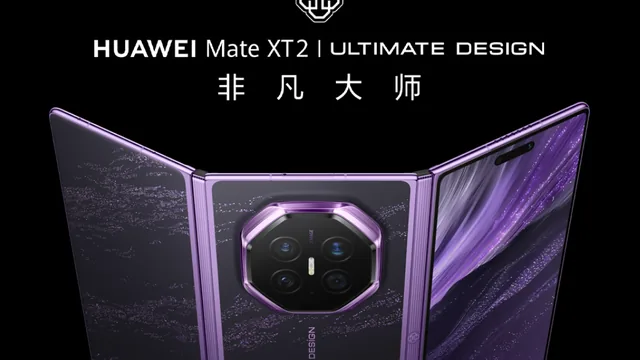
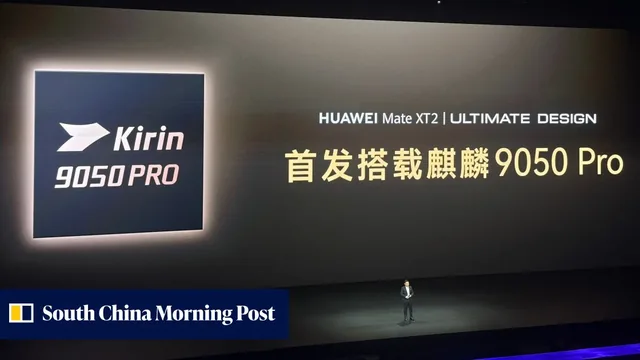
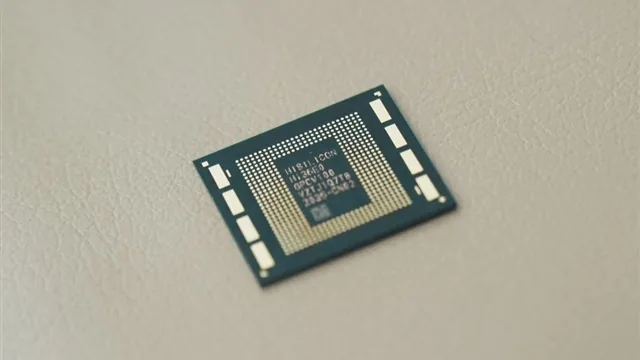
Huawei says the Kirin 9050 Pro’s vertical stacking raises transistor density to 238 MTr/mm² and peaks at 3.1 GHz.
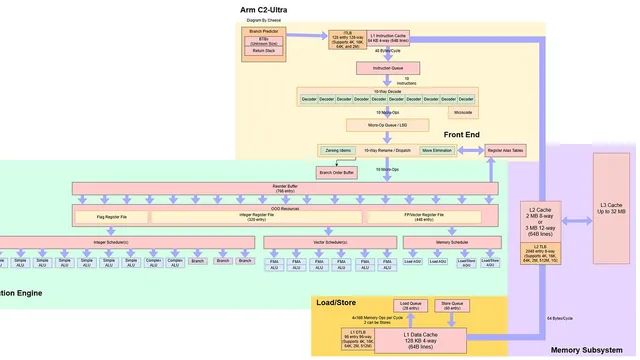
Arm says the C2-Ultra core offers up to 7% higher IPC over C1-Ultra, with broader phone and datacenter use.
Huawei claims the Kirin 9050 Pro’s LogicFolding splits cores across two layers, testing a US‑sanctions work‑around.
The Information reports Anthropic secured compute contracts worth up to $517 billion, adding 14.8 GW but still lagging OpenAI’s 30 GW goal.
U.S. push ties Korean semiconductor investment to ownership amid a $200 bn strategic‑investment mechanism.
ByteDance reports developing a real‑time spatial video model, aiming to launch next month for VR livestreams and games.
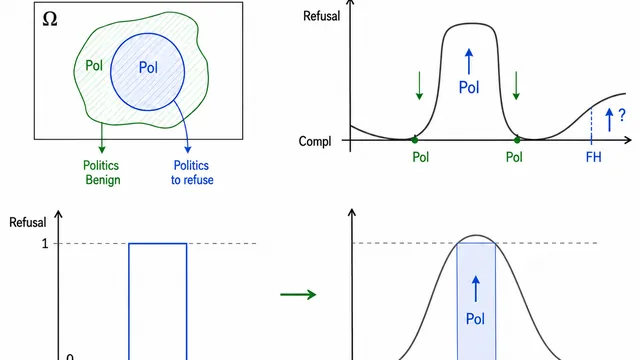
Hugging Face notes LlamaGuard‑3 blocks election manipulation content while still allowing factual election queries, highlighting limits of topic‑level guards.
The translation makes the German court ruling on music licensing accessible to non‑German speakers.
Huawei says HarmonyOS 7 integrates Celia as a system‑level AI agent, extending on‑device intelligence across apps.
DeepMind built an AI tool to predict regulatory effects of 9 billion DNA variants, aiding disease understanding.
AWS and HPE Zerto detail an on‑premises agentic troubleshooting system built on Amazon Bedrock for hybrid clouds.
The InferenceX note signals that externalizing TPU inference workloads is gaining momentum, affecting deployment strategies.
Community‑tracked TradingAgents updates add look‑ahead fixes, new data sources, and support for GPT‑5.6 and Claude Sonnet 5.
No stories match. Active filters.
Follow this briefing: Daily digest RSS.